







Search Results for: Nanfu Tea Factory
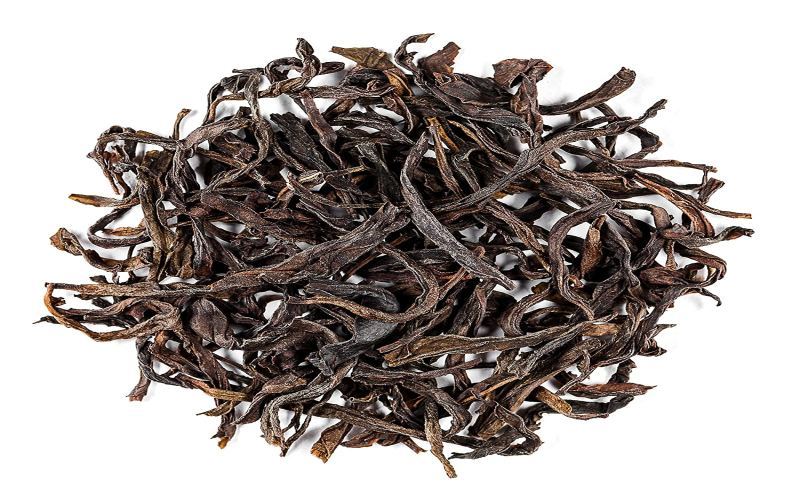
Comparison of the Duck Shit Aroma from Chaozhou Nanfu Tea Factory and Nayuki's Duck Shit Aroma Dancong: which one has the more outstanding fragrance?
Duck Shit Fragrance—the name sounds rather unconventional, yet it is a highly sought-after variety of Phoenix Dan Cong. It doesn't actually have a duck feces smell; instead, it is famous for its rich fruity aroma. This article will use the Duck Shit Fragrance from the veteran Chaozhou tea factory Nanfu as a reference, comparing it with Naixue's Duck Shit Fragrance Dan Cong to explore which one has a more intense aroma. The article will also introduce the specific characteristics of two Phoenix Dan Cong Duck Shit Fragrance teas from 2017 and 2020, including origin, altitude, tree age, and flavor descriptions, taking you deeper into this strangely named yet highly charming tea. At the same time, Front Street Coffee will also recommend related products for you. [more…]
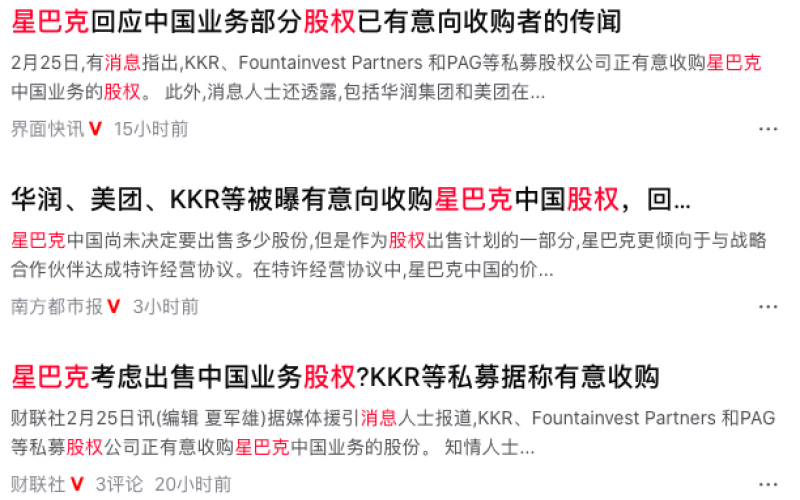
Starbucks China equity may be in for a shake-up: multiple private equity firms and domestic giants are vying for a stake, while the company responds cautiously.
Recently, multiple media outlets have reported that Starbucks' China business may bring in strategic investors or sell part of its equity, with well-known private equity firms such as KKR, FountainVest, and PAG, as well as domestic companies like China Resources Group and Meituan, all rumored to be potential buyers. According to people familiar with the matter, Starbucks Executive Vice President and Chief Financial Officer Rachel Ruggeri is expected to come to China within the next few weeks to participate in negotiations. In response to this news, a Starbucks global spokesperson declined to confirm, only citing the CEO's previous statement about exploring strategic partnerships. At the same time, Starbucks China has recently experienced frequent management changes, including the newly created position of Chief Growth Officer and the retirement of Chairman Wang Jingying, drawing particular attention to its future direction. This article sorts out the sequence of events, responses from various parties, and industry background for coffee enthusiasts' reference. [more…]
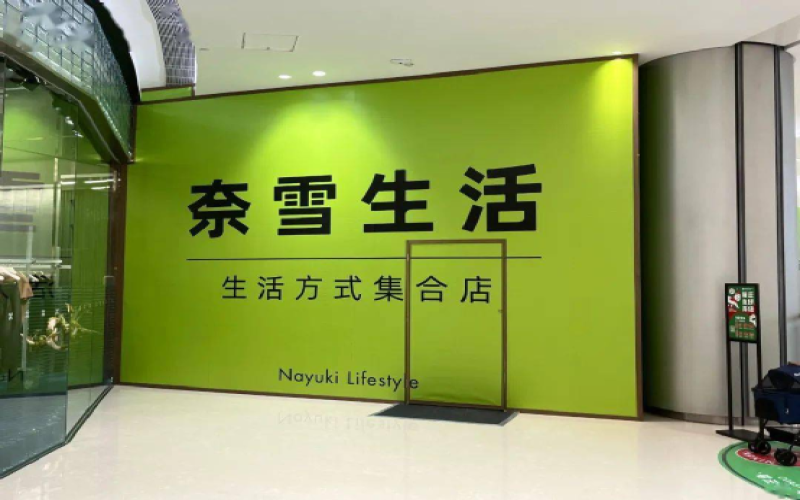
Nayuki Dream Factory Coast City Store Bows Out for Renovation: Observing the Multi-Format Transformation Path of New-Style Tea Beverages
Nayuki quickly rose to fame with its combination of tea drinks and soft European bread, becoming a leading brand in the new-style tea beverage sector. However, its largest store nationwide, Nayuki Dream Factory in Shenzhen Coastal City, recently quietly closed, and the site will be upgraded to "Nayuki Life," a lifestyle concept store. This thousand-square-meter flagship store, which once generated nearly a million in revenue within three days of opening, carried Nayuki's ambition to experiment from tea drinks to coffee, craft beer, Western cuisine, retail, and other multi-format ventures. From Nayuki Tavern to Nayuki PRO, and further to Nayuki Bookstore and ready-to-drink product line layout, Nayuki has continuously tried to break the boundaries of tea drinks. This renovation of its largest store reflects the collective anxiety of brands seeking differentiated breakthroughs amid intensifying homogenized competition in the new-style tea beverage industry. This article reviews the rise and fall of Nayuki Dream Factory and explores whether multi-format development can truly be the way for tea beverage brands to break through. [more…]
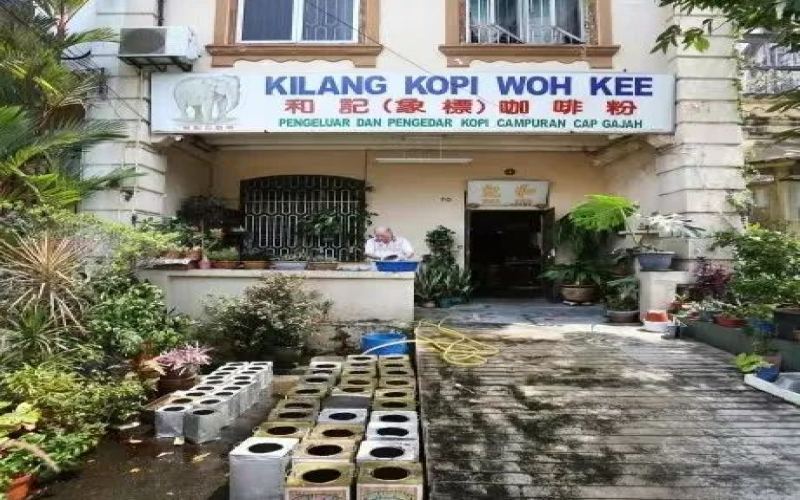
An 80-Year-Old Ipoh Coffee Powder Factory Closes: Hock Kee Elephant Brand Has No Successor, Third Generation Unable to Keep Up Physically and Reluctantly Shuts Down
In Ipoh, Malaysia, the rich aroma of white coffee cannot be separated from the support of local coffee powder factories, and the Hock Kee (Elephant Brand) coffee powder factory, which has been in operation for a full eighty years, is one of the most representative old establishments among them. This coffee powder factory, founded in the 1930s by Hainanese Fu Hechang, roasts coffee beans using semi-traditional techniques, and has won the trust of three generations of locals with its pure, fragrant quality. Many tea houses in Ipoh have long purchased its coffee powder to make white coffee. However, as the third-generation operators grew older and manpower became scarce, and the fourth generation each had their own careers and no intention of taking over, the family finally decided to cease operations. After the news spread, longtime customers rushed to stock up as mementos, with some even traveling dozens of kilometers just to taste the flavor remembered from years past. This old factory bearing the elephant trademark, after completing its final batch of orders, will officially pass into history. [more…]
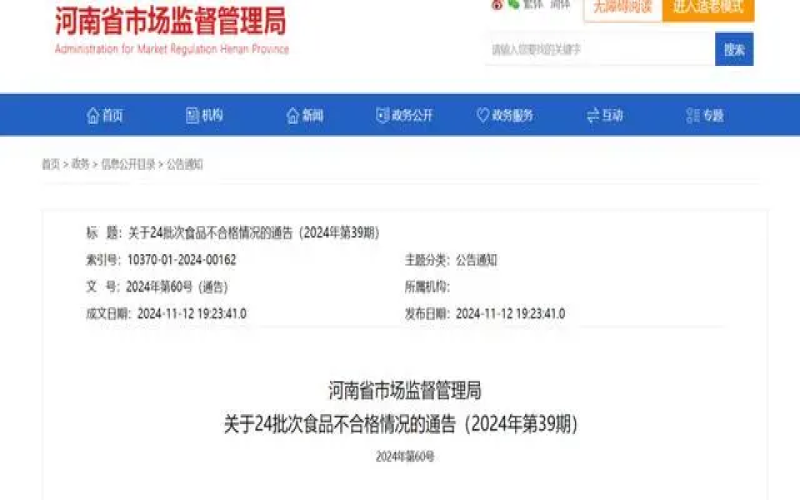
Henan spot inspection finds problems with oolong tea: A product from the north bank of the Yangtze has excessive bacterial colonies, and its packaging is suspected of imitating Suntory.
The Henan Provincial Market Supervision Administration recently published its 2024 No. 39 food safety notice, showing that of 1,040 batches of food across 21 major categories sampled, a total of 24 batches failed. Among them, a "Yangtze River North Bank" oolong tea-flavored beverage, nominally produced by Xunxian Fuxinyuan Beverage Factory, was blacklisted because its total bacterial count did not meet national standards. An investigation found that the manufacturer not only had a prior record of product sampling failures, but was also ruled by a court to have infringed upon Nongfu Spring's packaging through counterfeiting, and has now been listed as a dishonest judgment debtor. More notably, the outer packaging of this oolong tea is highly similar to Suntory oolong tea, and many consumers who mistakenly bought it on e-commerce platforms complained loudly after being duped. [more…]
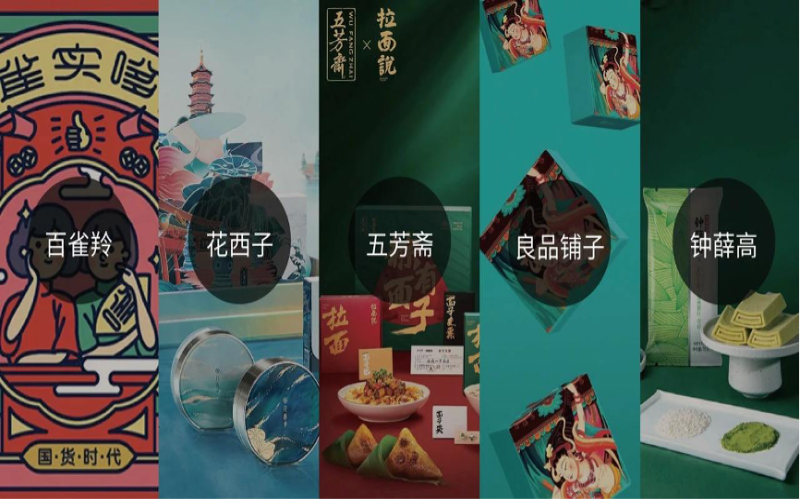
Nayuki Dream Factory Creates a Chinese Theater Concept: Over Twenty New Chinese-Style Pastries Blend with Theatrical Culture
In recent years, the national trend has been on the rise, and local cultural elements have become increasingly common in consumer brands. As a leading brand in the new-style tea beverage sector, Nayuki has abandoned its former Japanese-leaning brand image and transformed Nayuki Dream Factory into an opera space full of Chinese charm, launching more than 20 new Chinese-style pastries represented by mochi and palmiers, with each product corresponding to a classic opera such as The Drunken Concubine, The Peony Pavilion, and Farewell My Concubine. The store also displays traditional theater merchandise such as covered bowls and folding fans, creating an atmosphere of stepping into a traditional opera garden. Previously, Heytea also launched Axi Teahouse incorporating Sichuan opera elements. Against the backdrop of widespread price increases in the tea beverage industry, Heytea attracted market attention with a low price of nine yuan, and whether Nayuki's move into the national-trend pastry track can break through is worth continued attention. [more…]

Nayuki's flagship store at Shenzhen Coastal City closes, Pop Mart takes over the original site, drawing attention
The largest flagship store "Nayuki Life," created by Nayuki in Shenzhen Coastal City, has recently been obscured by hoarding, confirming that it has quietly withdrawn, and the original site will be taken over by Pop Mart. The store was formerly the world's largest flagship store "Nayuki Dream Factory," launched in 2019 at a cost of 20 million yuan, covering 1,000 square meters and offering a diverse range of products including baked goods, tea drinks, coffee, craft beer, Western cuisine, and retail. After the Dream Factory closed in May 2022, "Nayuki Life" debuted in August of the same year with a new model. Although it retained a bookstore and coffee brand collaboration, it canceled food and alcohol services. Nearby residents reported that the store did brisk business on weekdays and was packed on holidays, and its sudden closure has surprised many. Official customer service responded that the lease expired and was not renewed, and there is no news yet on whether a store will be opened at another location. Meanwhile, reports of Nayuki store closures have also emerged in Guangzhou, Zhuhai, Nanchang, and other places. [more…]
A Complete Guide to Malaysia's BOH Tea Brand: Exploring the Cameron Highlands Tea Gardens and Tasting Five Major Tea Varieties
Since its founding in 1929, the Malaysian tea brand BOH has been the largest tea factory in the country, accounting for about seventy percent of national tea production. Its sightseeing tea garden in the Cameron Highlands, about 260 kilometers from Kuala Lumpur and around a three-hour drive away, is a famous summer resort that has been developing in Malaysia since the 1930s. Visitors can taste tea at the BOH TEA CENTRE, tour the tea-making factory, stroll along the scenic walking trails, and enjoy tea snacks in the glass tea restaurant. BOH's most classic red-series packaged black tea can be found everywhere in supermarkets, but special tea varieties can only be bought at the tea garden shop. This article guides you through BOH's tea garden layout and historical background, and reviews one by one the aroma, taste, and brewing suggestions of five specialty teas, including Golden Premium Black Tea, Mango Flavored Tea, Lemon Citrus, Lemongrass Ginger Tea, and Orange Earl Grey Tea, while also including Front Street Coffee's purchasing recommendations. [more…]
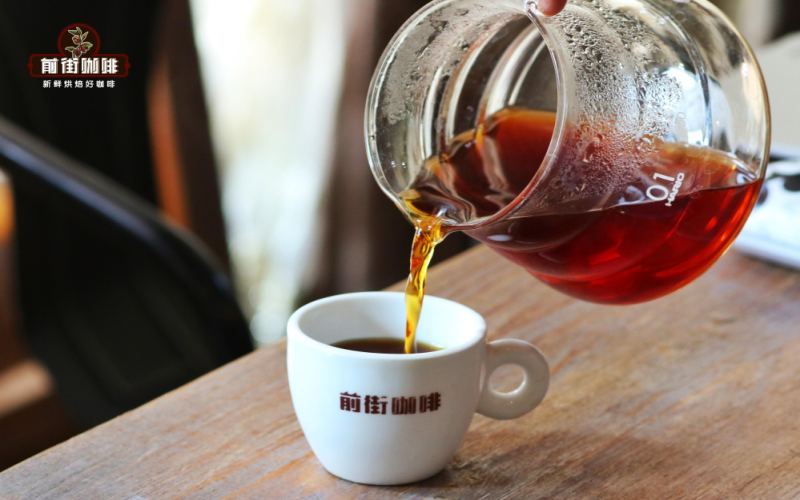
Kenya AA TOP Coffee Origin and Honey Processing Factory Analysis: K72 Washed Flavor and Front Street Brewing Parameters
Kenya AA TOP is a benchmark grade among African specialty coffees, and its bright acidity and dark berry flavors are highly sought after by enthusiasts. This article systematically sorts out the reasons behind the flavor of Kenyan coffee, from the producing region's background, grading standards, and the K72 washed processing method to information on the Honey Processing Factory, and combines Front Street Coffee's roasting and brewing practices to provide the complete pour-over parameters and tasting notes for Front Street Asalia coffee beans. Whether you want to understand the grading logic of Kenya AA TOP or want to replicate a cup of light-roasted Kenya with a cherry tomato flavor, this content can provide practical reference. [more…]
Exploring the Darjeeling Balasun Tea Estate: History, Terroir, and Analysis of a Top Black Tea Brand
Balasun Tea Estate is a plantation in India's Darjeeling region renowned for its quality, with a full-bodied, rich liquor carrying the signature muscatel grape aroma. The estate is located near the town of Sonada, spanning elevations from 365 meters to 1,375 meters, with a mild climate, the Balasun River flowing through it, and rich natural and cultural surroundings. Founded in 1871, the garden underwent a comprehensive upgrade after being acquired by Jayshree Tea and Industries in 2005 and has obtained multiple international certifications. Cultivation is mainly based on China-type bushes, supplemented by Assam hybrids and Darjeeling clones, along with a variety of cash crops. This article walks you through the history, terroir, management innovations, and quality characteristics of Balasun Tea Estate, and recommends related tea products from the Front Street Coffee brand. [more…]
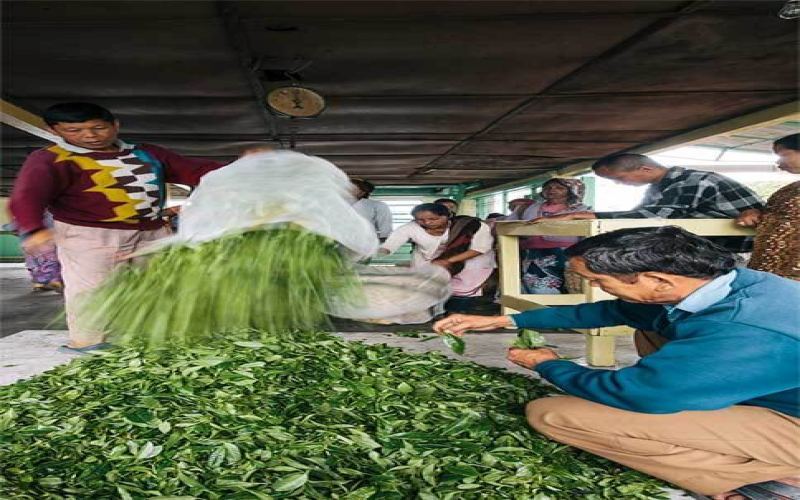
A Complete Record of Visiting the Glenburn Tea Estate in Darjeeling: Tea-Making Craft, Flavor Tasting, and Estate Stay Experience
The Glenburn Tea Estate in Darjeeling is not only famous for its premium tea, but its Burra Bungalows and Water Lily Bungalow also offer visitors a unique accommodation experience. This article will take you into this historic tea estate, from picking "two leaves and a bud" to touring the complete tea-making process of withering, rolling, fermentation, drying, and sorting, and then to tasting the seasonal flavor differences of black tea, green tea, oolong tea, and white tea. You will also learn about the estate's accommodation environment, the surrounding natural scenery, and information on related products recommended by Front Street Coffee, for a full experience of the unique charm of Glenburn Tea Estate. [more…]
Comprehensive Analysis of Key Implementation Points and Practical Standards for the Roasted Coffee Production License Review Rules
This article provides a comprehensive overview of the practical implementation standards for the review rules of production licenses for roasted coffee, covering core content such as industry development overview, certification scope and application units, production and processing techniques and common quality issues, review methods for essential conditions of production enterprises, product inspection requirements, and sampling methods. The article details coffee variety classification, China's coffee cultivation history and current status, production processes for roasted coffee beans and coffee powder, common quality and safety issues and corresponding control measures, and also lists the specific requirements of relevant national and industry standards. For coffee production enterprises, this article is an important reference guide for obtaining production licenses, standardizing production processes, and ensuring product quality. [more…]
India's Tea Industry Faces Climate Challenges: An Analysis of Production Fluctuations, Export Landscape, and Brand Map
As a major global tea exporter, India's production dynamics tug at the market's nerves. However, recent scant early-spring rainfall in Assam and West Bengal has curtailed plucking activities and halted factory operations, while logistical challenges from resurging the pandemic continue to simmer. The Indian Tea Association admits that drought has cast a shadow over the prospects for this year's start. Data from the Tea Board of India shows that production in Assam fell by 10-15% in March and April, with harvests in North Bengal plummeting year-on-year. Despite firm demand, prices have not soared as they did last year. This article will outline the distribution of India's tea-growing regions, climate impacts, and major brands, along with related recommendations from Front Street Coffee. [more…]
Kenya Nyeri Mahiga AA TOP Coffee Beans: A Detailed Look at Its Wild Flavors and K72 Washing Process
Want to understand the unique charm of Kenyan AA coffee? This article will take you deep into the Mahiga processing plant in the Nyeri region, revealing how the Othaya Farmers Cooperative Society it belongs to achieves top-tier coffee through strict quality control. From SL28 and SL34 varieties to the K72 double wash process, and on to the black plum, berry, and chocolate syrup flavors displayed in the cup, we offer a detailed analysis of this wildly distinctive Kenyan AA TOP-tier Mahiga. At the same time, Front Street Coffee’s Kenyan Cherry Tomato is a recommended product that lets you easily experience the wonderful taste of juicy texture interwoven with floral aromas. [more…]
Front Street Coffee Panama Firestone Estate Honey-Processed Catuai Flavor Analysis and Pour-Over Parameters Explained in Detail
The honey-processed Catuai from Panama's Fuego Estate is one of Front Street's most distinctive single-origin beans. It comes from the Solo Fuego producing region and is medium-roasted. In cupping it shows a complex profile of lemon, orange, cranberry and green tea, with rich fruit acidity, prominent sweetness, an even and smooth body, and a long, lingering finish accompanied by gentle floral notes. Catuai itself is a cross between Caturra and Mundo Novo, with a short stature, resistance to wind and rain, and firm fruit, and is widely planted in Central America. This article will outline the producing region background and variety characteristics of this bean, and provide Front Street's specific pour-over parameters, including coffee dose, grind size, water temperature, pouring rhythm and extraction time, for coffee lovers to reference and replicate. [more…]
A Comprehensive Analysis of Kenya's Gatomboya Factory: A Flavor Benchmark of the Nyeri Region and the Specialty Coffee Grading System
Gatomboy Processing Factory is a name that cannot be ignored in the landscape of Kenyan specialty coffee. It belongs to the Barichu Cooperative in the Nyeri region and once scored an impressive 96 points in a 2016 Coffee Review cupping, ranking among Kenya's seven world-class green bean processing factories. Kenya's ability to become a model of global high-quality coffee production is closely tied to its government-led unified purchasing, cupping grading, and public auction system. This system benefits more than 570,000 smallholder farmers and has also created Kenya coffee's irreplaceable flavor charm. This article will guide you through an in-depth understanding of Gatomboy Processing Factory's background, Kenya's coffee-producing regions, green bean grading standards, cultivation history, and variety composition, and recommend related products from Front Street Coffee, presenting coffee lovers with a complete knowledge map of Kenyan coffee. [more…]
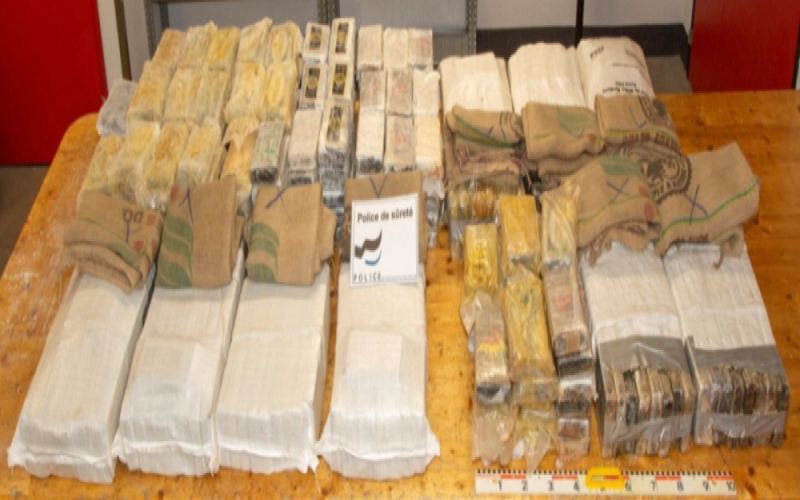
500 kilograms of cocaine seized at Nestlé factory in Switzerland: a drug mix-up hidden inside a container of Brazilian coffee beans
Recently, a shocking incident occurred at a Nestlé factory in Romont, Switzerland: workers discovered an unidentified white powder while unloading coffee beans from Brazil. Police identified it as cocaine with a purity exceeding 80%, weighing over 500 kilograms in total and valued at approximately 330 million RMB. A preliminary police investigation suggests this was very likely caused by a drug trafficking gang loading the wrong container. Similar incidents have previously occurred in China as well—Shanghai police once seized marijuana worth 150 million on an international cargo ship. How exactly do these bizarre mix-ups happen? This article will reconstruct the course of events and explore the drug trafficking methods behind them. [more…]
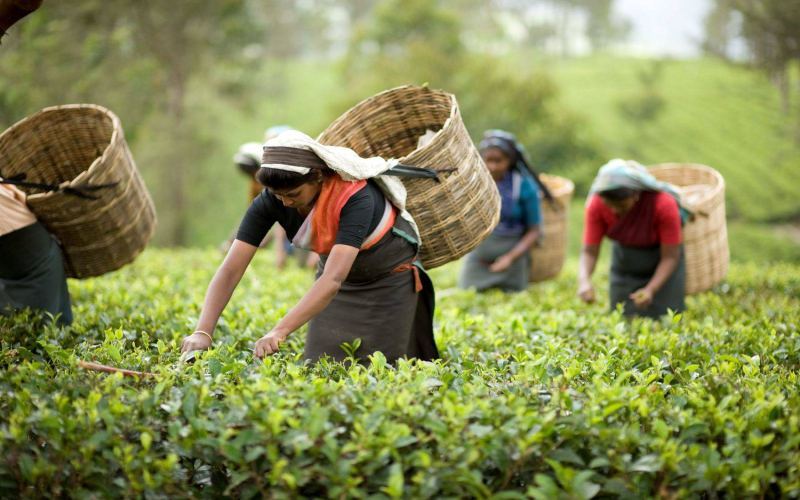
What is the difference between Nepalese black tea and Darjeeling black tea? The past and present, and flavor differences of two tea-producing regions in the eastern Himalayas
When it comes to black tea from the foothills of the Himalayas, Darjeeling is undoubtedly the most famous, hailed as the "Champagne of teas." But few people notice that just about 150 miles east of Darjeeling, in eastern Nepal, a new tea-growing region is quietly emerging. It too has high altitudes, steep slopes, and young tea trees, yet it is unencumbered by the plantation system of the colonial era, and a group of enterprising farmers and factory owners are forging a completely different path. What exactly is the difference between Nepali tea and Darjeeling tea? And what is so distinctive about its taste? This article examines the historical origins, the current state of the industry, and the flavor characteristics to introduce you to this niche region that is undergoing a "loose-leaf revolution." [more…]
An Analysis of Jamaican Blue Mountain Coffee Flavor Characteristics and Authenticity Identification: Front Street Takes You to Visit Mavis Bank Estate
Blue Mountain coffee has long been hailed as the "black gem," revered by coffee lovers as "the coffee beauty that combines all the virtues of good coffee." Why does it hold such a status? The answer lies in the unique climate, volcanic soil, and altitude conditions of Jamaica's Blue Mountains. Only coffee grown at elevations between 900 and 1,700 meters qualifies to bear the Blue Mountain name. This article will guide you through the flavor characteristics of authentic Front Street Jamaican Blue Mountain coffee, and follow a 2013 field visit to the historic Mavis Bank Coffee Estate, restoring the true face of this legendary coffee—from tasting and production to identifying counterfeits. [more…]

Harbin Pharmaceutical Factory No.6's viral coffee accused of violations: oral liquid in latte sparks safety controversy, blue bottle drinks removed from shelves
During the May Day holiday, the former site of Harbin Pharmaceutical Group's No. 6 Factory, known as Harbin's "Northeast Louvre," became a popular photo spot. A coffee shop opened in its first-floor lobby launched two distinctive drinks — pairing Harbin Pharmaceutical Group's iconic small blue-bottle oral liquid with coffee to create a Blue Bottle Latte containing calcium gluconate and a Zinc Wish Latte containing zinc gluconate. However, this creative idea sparked consumer concerns about medication safety: the oral liquid's instructions explicitly warn against taking it with milk or caffeine, and both products are Class A over-the-counter drugs, not substances that can be used as both food and medicine. Under China's Food Safety Law, drugs may not be added to food, and the coffee shop's preparation method may violate regulations. Currently, the blue-bottle coffee has been taken off the menu, though it remains unclear whether this is a temporary sellout or a permanent discontinuation. [more…]